
‘Queenistan’: How Bukharian Jews Rebuilt a Central Asian Community in Queens
A sourced explainer on who Bukharian Jews are, why they came to Queens, and how institutions from BJCC to Beth Gavriel anchor daily life—without confusing them for “Russian Jews.”

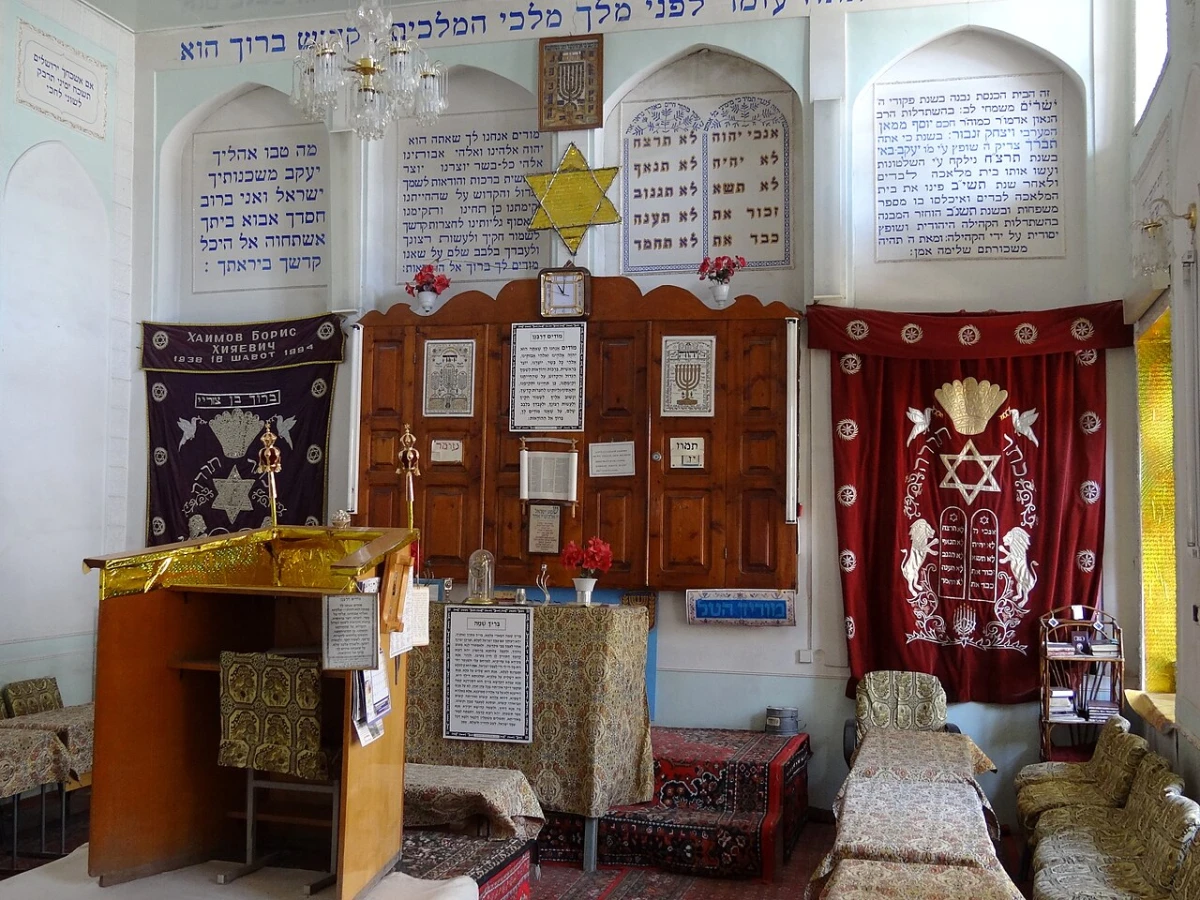
Call Forest Hills and Rego Park “Queenistan” and many locals will smile in recognition. The nickname, noted by Brick Underground, nods to the Emirate of Bukhara’s former lands across Uzbekistan, Tajikistan, and neighboring states—and to the dense Bukharian Jewish settlement that took root in Queens after Soviet emigration.
Manashe Khaimov told the Forward the most common mistake outsiders make is labeling Bukharians as Russian Jews. Shared Soviet decades, he said, do not erase two millennia of distinct Central Asian Jewish history, language (Bukhori), and custom. Communities mark origins tied to the Babylonian exile and later Persian rule; Moroccan rabbi Joseph Maman Maghribi’s arrival in Bukhara in the late 18th century helped crystallize Sephardic religious practice still familiar in Queens shuls.
Migration accelerated in the 1970s–80s and after 1991. Brick Underground estimated on the order of 50,000 Bukharian Jews in New York City—nearly all in Queens—making the borough the world’s second-largest Bukharian center after Israel. Commercial life clustered on 108th Street; synagogues multiplied from a handful to dozens. Anchor institutions include the Bukharian Jewish Community Center on 70th Avenue, Beth Gavriel, the Congress of Bukharian Jews, and Aron Aronov’s museum collection.
Philanthropy from figures such as Lev Leviev has repeatedly funded buildings and education. Contemporary headlines—Chief Rabbinic visits, chinuch funds, Florida galas, Knesset list placements—sit on top of that institutional base. The community’s challenge, educators such as Queens College’s Imanuel Rybakov have warned in past interviews, is integrating into American Jewish life without erasing ethnic culture.
For readers new to bjpost.news, that is the through-line: not a generic immigrant success story, but a specific Judeo-Persian, Central Asian peoplehood now speaking English and Russian in the shadow of the R train.
Sources: The Forward; Brick Underground; BJCC history page. Image: Adam Jones / Wikimedia Commons, CC BY-SA 2.0.
What's Your Reaction?
 Like
0
 Dislike
0
 Love
0
 Funny
0
 Wow
0
 Sad
0
 Angry
0

Comments (0)