
Bukharian Jewish Museum and Queens Walking Tours Keep Central Asian Memory Alive
Aron Aronov’s appointment-only Bukharian Jewish Museum and community walking tours continue to teach Queens visitors that Bukharian Jews are not simply “Russian Jews.”

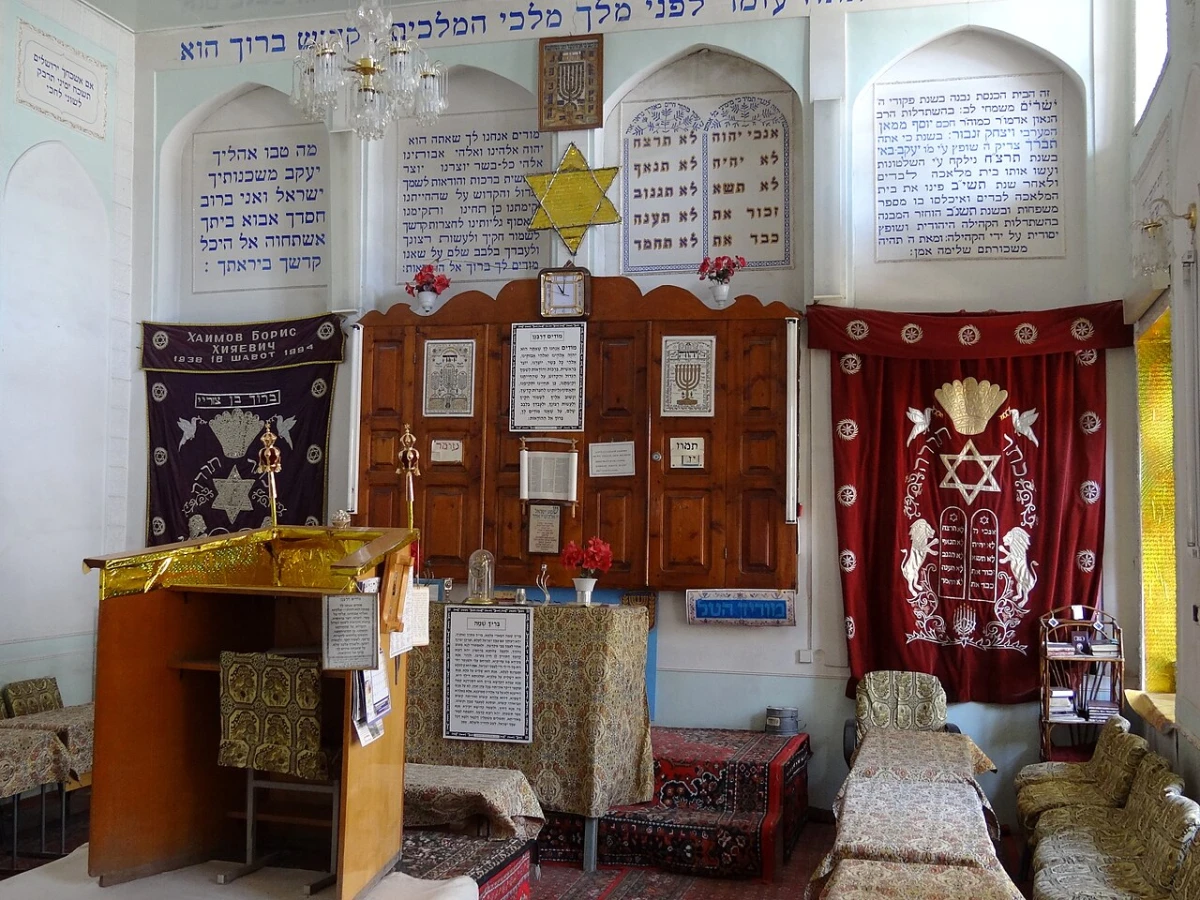
Ask Manashe Khaimov the most common misconception about Bukharian Jews, and he answers carefully: that they are simply Russian Jews. “The only thing we share with Russian Jews are the 70 years we lived under the Soviet Union,” he told the Forward. “For 2,000 years, we had a different history, a different culture.”
Khaimov, born in Samarkand and raised in Queens after arriving in 2001, founded Jewish Silk Road Tours to introduce small groups to Bukharian Queens—synagogues, bakeries, Shashmaqam music, and the appointment-only Bukharian Jewish Museum curated by Aron Aronov. Aronov, who settled in the United States in 1989 after working as a translator in Tashkent, has assembled more than 1,000 items: ritual objects, textiles, photographs, traditional cooking tools, and an ancient Torah scroll displayed in classrooms lent by a local school.
“New York is not a melting pot,” Aronov told Forward visitors. “It’s a mosaic of different groups. We want to preserve our Bukharian Jewish identity.” A sign in the museum warns that a people survives only as long as it transmits its heritage.
The term “Bukharian” recalls the Emirate of Bukhara. Communities mark origins tracing to the Babylonian exile and later Persian rule in Central Asia. Under Tsarist Russia, many Bukharians flourished in trade; Soviet rule later made religious life far harder. After the USSR’s collapse, most emigrated to Israel and the United States. Brick Underground has estimated tens of thousands of Bukharian Jews in Queens—often called the world’s second-largest Bukharian community after Israel—with commercial life clustered on and around 108th Street in Forest Hills.
Heritage institutions such as Aronov’s museum and the Bukharian Jewish Community Center remain everyday classrooms for a community determined not to let Central Asian Jewish memory fade in America.
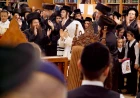
Sources: The Forward; Brick Underground. Image: Adam Jones / Wikimedia Commons, CC BY-SA 2.0.
What's Your Reaction?
 Like
0
 Dislike
0
 Love
0
 Funny
0
 Wow
0
 Sad
0
 Angry
0



Comments (0)